




Introduction
GLP‑1 medication cost depends on the product, dose, device, insurance plan, pharmacy, and savings eligibility. Manufacturer pricing changes quickly, so a number in an article can become stale. This guide was refreshed on August 24, 2026 and points to current NovoCare and LillyDirect pricing pages for final verification before you fill a prescription.
What each medication costs without insurance
List prices and self-pay prices are not interchangeable. For current information, check the NovoCare Wegovy savings page, the NovoCare Ozempic price guide, Lilly’s pricing information, and the LillyDirect Zepbound page. LillyDirect currently lists Zepbound self-pay prices starting at $299 per month for some presentations and doses, with eligibility and terms that apply. The Mounjaro patient FAQ lists a current 28-day list price, but your actual cost can be different.
Manufacturer savings offers, insurance benefits, and pharmacy prices can change or expire. Do not rely on an old coupon, a competitor’s price, or an online compounded-product advertisement when estimating your treatment cost.
What insurance typically covers
Coverage depends on why the medication is prescribed:
- Type 2 diabetes: Ozempic and Mounjaro are generally covered by commercial insurance and Medicare Part D when prescribed for diabetes management. Copays typically range from $25 to $100 per month with commercial plans.
- Weight loss: Coverage for Wegovy, Zepbound, and Foundayo varies widely. Many commercial plans now cover at least one weight-loss GLP‑1, but prior authorization is almost always required, and some plans exclude weight-loss medications entirely.
- Cardiovascular risk reduction: Wegovy is covered by some plans, including Medicare Part D, when prescribed for cardiovascular risk reduction in patients with established heart disease and BMI 27 or higher.
The most common reason for coverage denial is the absence of a qualifying diagnosis beyond weight loss alone. Documented comorbidities like hypertension, type 2 diabetes, or sleep apnea significantly improve approval odds.
The Medicare GLP‑1 Bridge program
Starting July 1, 2026, the Medicare GLP‑1 Bridge provides coverage for certain GLP‑1 weight-loss medications under a temporary demonstration program. Confirm eligibility and covered products through the official CMS Medicare GLP-1 Bridge page and your plan because program terms can change. Key details reported when this guide was refreshed include:
- Covered medications: Wegovy (injection and tablet), Zepbound (KwikPen only; the single-dose vials and single-dose pens are excluded), and Foundayo.
- Cost to patients: A flat $50 copay per 30-day supply, regardless of which Part D benefit phase you are in.
- Manufacturer pricing: Published program terms describe a negotiated price for participating products, but the amount and covered medicines should be verified through the current program materials.
- Duration: The program runs from July 1, 2026 through December 31, 2027. CMS has postponed the related BALANCE Model in Medicare indefinitely, so check current Medicare materials for what follows the Bridge.
- Important limitations: The $50 copay does not count toward your Part D deductible or the $2,100 annual out-of-pocket maximum. Low-Income Subsidy cost-sharing reductions do not apply to the Bridge copay. Manufacturer coupons cannot be applied to Bridge claims.
Ozempic and Mounjaro are not part of the Bridge program but remain available through standard Part D for their approved diabetes indications.
How to reduce your costs
- Manufacturer savings programs: Both Novo Nordisk and Eli Lilly offer savings cards that can significantly reduce out-of-pocket costs for commercially insured patients. Check the manufacturer websites for current offers.
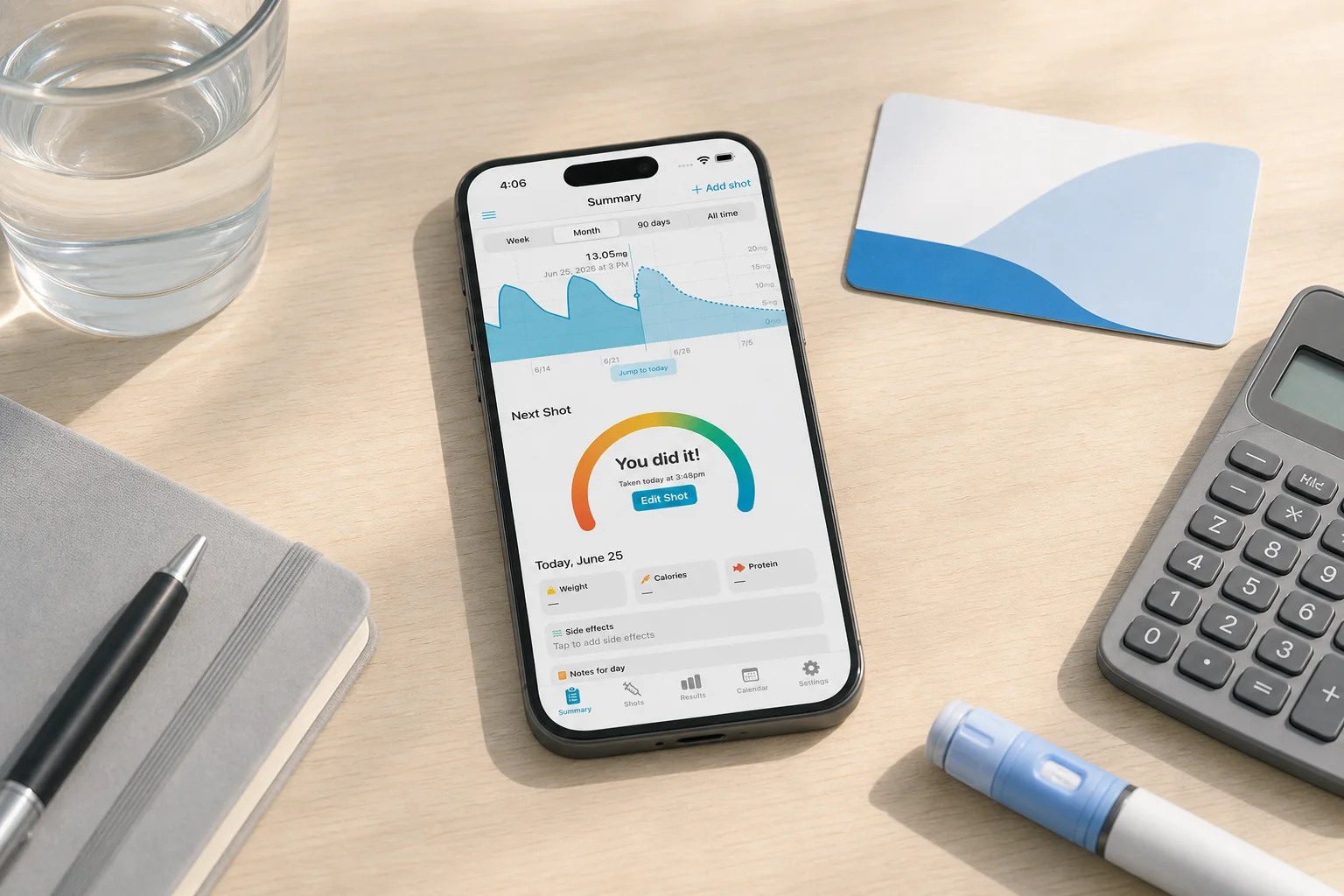
- Prior authorization support: Ask your provider to submit detailed documentation including BMI, comorbidities, and treatment history. Tracked data from an app like Shotsy, exported as a PDF, can support this process.
- Appeal denials: If your first authorization is denied, appeal. Many denials are overturned with additional clinical documentation.
- Medicare Bridge enrollment: If you are a Medicare Part D beneficiary, talk to your prescriber about the GLP‑1 Bridge program starting July 2026.
- Negotiate at the pharmacy: Some pharmacies offer competitive cash pricing. Ask about price matching and generic alternatives where available.
Shotsy keeps tracking costs low
Shotsy is free to download with a generous free tier that includes dose logging, weight tracking, side effect logging, nutrition tracking, and PDF export for providers. It does not add to your medication costs, and the documented treatment data can support insurance prior authorization and continued coverage approvals.
Conclusion
For related reading, see the medication comparison guide, missed-dose guide, and Shotsy medication trackers.
GLP‑1 medication costs are real and often frustrating, but the landscape is improving. The Medicare GLP‑1 Bridge, manufacturer savings programs, and the arrival of oral options are all expanding access. Know your coverage options, track your progress to support insurance approvals, and talk to your provider about the most cost-effective path for your situation.
This post is intended for informational purposes only and is not a substitute for professional medical advice. Always consult your physician before making any changes to your medication or health routine.