





Introduction
GLP‑1 medications significantly reduce the risk of heart attack, stroke, and cardiovascular death in people with overweight or obesity and established heart disease. The SELECT trial, which enrolled 17,604 participants, found that semaglutide 2.4 mg reduced major adverse cardiovascular events by 20% compared to placebo. This led the FDA to approve Wegovy for cardiovascular risk reduction in March 2024, making it the first weight-management drug to earn such an indication. These findings have reshaped how cardiologists view obesity treatment and GLP‑1 medications more broadly.
The SELECT trial: what it found
The Semaglutide Effects on Heart Disease and Stroke in Patients with Overweight or Obesity (SELECT) trial was a randomized, double-blind, placebo-controlled study published in the New England Journal of Medicine in 2023. It enrolled 17,604 adults aged 45 and older who had a body mass index of 27 or higher and established cardiovascular disease but not diabetes.
Participants received either semaglutide 2.4 mg (the Wegovy dose) or placebo by weekly subcutaneous injection for a mean follow-up of approximately 40 months. The primary endpoint was a composite of cardiovascular death, nonfatal heart attack, and nonfatal stroke, collectively known as major adverse cardiovascular events (MACE).
The results were striking: semaglutide reduced the three-point MACE outcome by 20% compared to placebo (hazard ratio 0.80, 95% confidence interval 0.72–0.90, p < 0.001). The benefit was consistent across subgroups, including age, sex, race, baseline BMI, and history of heart failure. Participants on semaglutide also experienced significant reductions in C-reactive protein, a marker of systemic inflammation, suggesting that the cardiovascular benefits extend beyond weight loss alone.
How GLP‑1 medications protect the heart
The cardiovascular benefits of GLP‑1 receptor agonists appear to operate through multiple pathways:
- Weight reduction: Excess body weight increases cardiac workload, raises blood pressure, and worsens lipid profiles. Semaglutide 2.4 mg produced an average weight loss of 9.4% in the SELECT trial, which directly eases strain on the cardiovascular system.
- Reduced inflammation: Chronic low-grade inflammation drives atherosclerosis, the buildup of plaque in arterial walls. GLP‑1 medications lower inflammatory markers like C-reactive protein and interleukin-6, potentially slowing plaque progression.
- Improved metabolic markers: GLP‑1 receptor agonists lower blood pressure, reduce triglycerides, and improve HDL cholesterol levels, all of which contribute to a healthier cardiovascular profile.
- Direct vascular effects: Preclinical research suggests GLP‑1 receptors exist on blood vessel walls and heart tissue. Activation of these receptors may improve endothelial function, reduce oxidative stress, and protect cardiac cells during ischemic events.
Importantly, the SELECT trial excluded participants with diabetes, demonstrating that the cardiovascular benefits are not simply a byproduct of improved blood sugar control. The heart-protective effects appear to be an independent property of the medication class.
Wegovy’s cardiovascular approval
In March 2024, the FDA expanded Wegovy’s approved use to include reducing the risk of cardiovascular death, heart attack, and stroke in adults with established cardiovascular disease who have a BMI of 27 or higher. This made Wegovy the first and, as of this writing, only weight-management medication with a cardiovascular risk reduction indication.
The approval validated that treating obesity pharmacologically can deliver measurable cardiovascular benefits, not just cosmetic or metabolic ones. It also influenced insurance coverage, as some payers began covering Wegovy for patients with documented cardiovascular risk, expanding access beyond traditional weight-loss indications.
What happens to heart benefits when you stop
A critical and often overlooked consideration is what happens to cardiovascular protection when you discontinue a GLP‑1 medication. Research from Washington University in St. Louis (2026) analyzed outcomes in patients who stopped semaglutide and found that cardiovascular benefits erode quickly after stopping treatment. Patients who had a gap of one year or longer off medication showed a 14% increased risk of major cardiovascular events compared to those who continued treatment.
This finding aligns with what clinicians have observed about weight regain after stopping GLP‑1 medications. The STEP 1 trial extension showed that participants who discontinued semaglutide regained approximately two-thirds of their lost weight within one year. As weight returns, so do the metabolic and cardiovascular risk factors it helped resolve, including elevated blood pressure, worsened lipid profiles, and increased systemic inflammation.
For patients prescribed Wegovy specifically for cardiovascular risk reduction, this data supports long-term or indefinite use, similar to how statins are prescribed as ongoing therapy for cholesterol management.
Tirzepatide and cardiovascular outcomes
Tirzepatide (Mounjaro, Zepbound) is a dual GIP/GLP‑1 receptor agonist that has shown impressive results for weight loss and blood sugar control. Its cardiovascular outcomes data is still maturing. The SURPASS-CVOT trial, designed to assess tirzepatide’s cardiovascular safety and potential benefit, is ongoing, with results expected in the coming years.
Early signals are promising. Tirzepatide produces greater average weight loss than semaglutide in head-to-head comparisons (the SURMOUNT trials showed up to 22.5% body weight reduction at the highest dose), and it delivers robust improvements in blood pressure, triglycerides, and inflammatory markers. Many cardiologists anticipate that tirzepatide will show cardiovascular benefit as well, though the formal trial evidence is not yet available.
Until SURPASS-CVOT reports, tirzepatide does not have an FDA-approved cardiovascular indication, and Wegovy remains the only GLP‑1 medication with that approval.
What this means for patients
If you are taking a GLP‑1 medication and have existing cardiovascular disease or significant risk factors, these findings reinforce the importance of consistency. The benefits are real, measurable, and backed by large-scale clinical evidence, but they depend on continued treatment. Stopping medication leads to weight regain and a return of cardiovascular risk.
Discuss these findings with your cardiologist or primary care provider, especially if you are considering stopping your medication or if insurance coverage is a barrier. The cardiovascular indication for Wegovy may open coverage pathways that weren’t previously available.
Share your progress with Shotsy
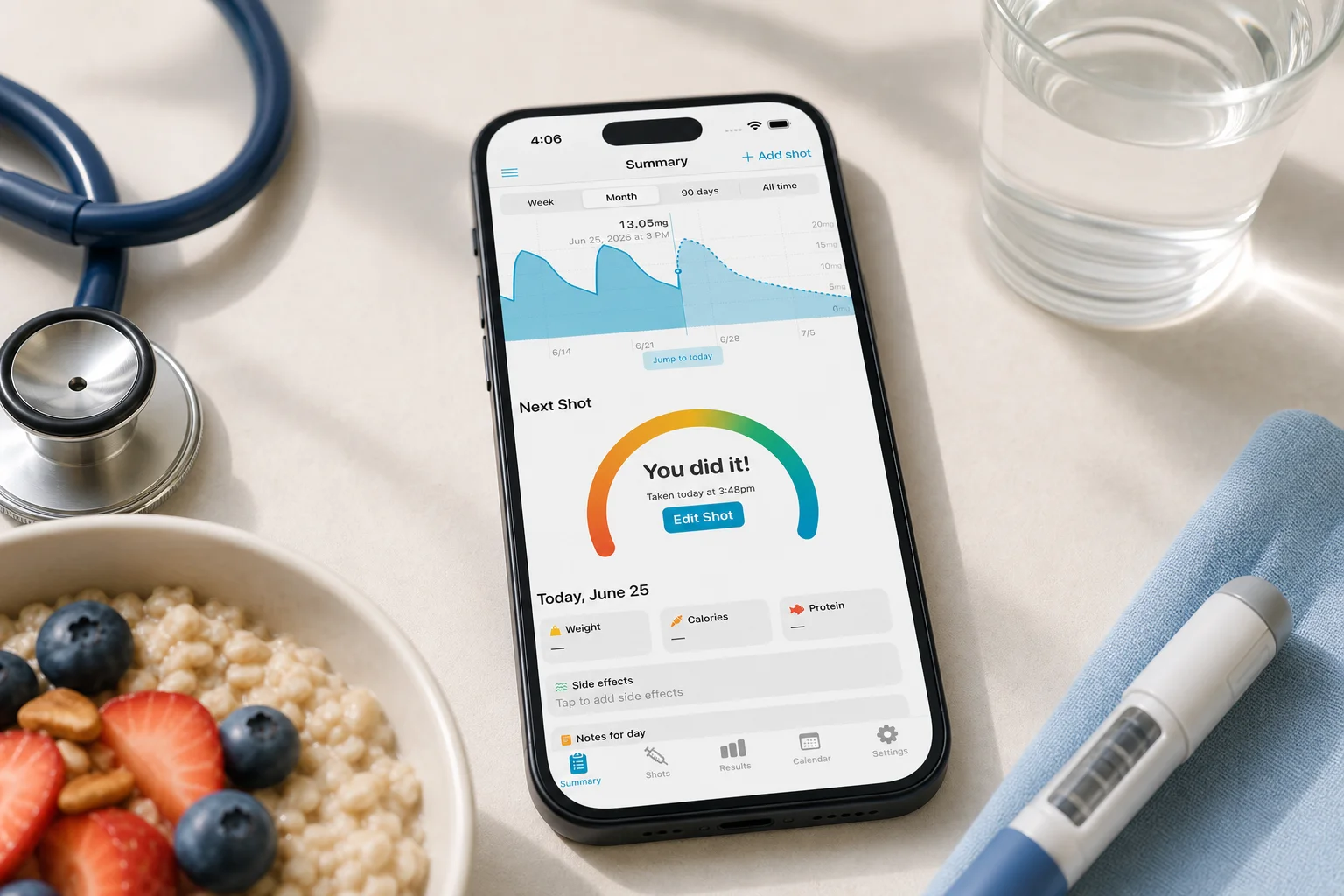
Shotsy lets you track weight progress and export a PDF summary of your journey, including weight trends, dose history, and daily nutrition data. Sharing this documented record with your cardiologist provides concrete evidence of your treatment response. For patients relying on Wegovy’s cardiovascular indication for insurance coverage, having thorough, well-organized weight loss documentation can support continued approval.
Conclusion
The evidence linking GLP‑1 medications to cardiovascular protection is among the most significant developments in obesity medicine in recent years. The SELECT trial’s finding that semaglutide reduces major cardiovascular events by 20% has changed clinical practice and insurance landscapes. However, the data also makes clear that these benefits require sustained treatment. If you’re taking a GLP‑1 medication for heart health, staying consistent with your doses and tracking your progress gives both you and your care team the information needed to make the best long-term decisions.
This post is intended for informational purposes only and is not a substitute for professional medical advice. Always consult your physician before making any changes to your medication or health routine.