



What happens when you overeat on a GLP‑1: nausea, fullness, and recovery
Overeating on a GLP‑1 can trigger nausea, bloating, reflux, or prolonged fullness. Learn why it happens and how to recover gently.
Read More →

Evidence-aware guides about GLP-1 medications, side effects, injections, nutrition, and tracking your treatment.
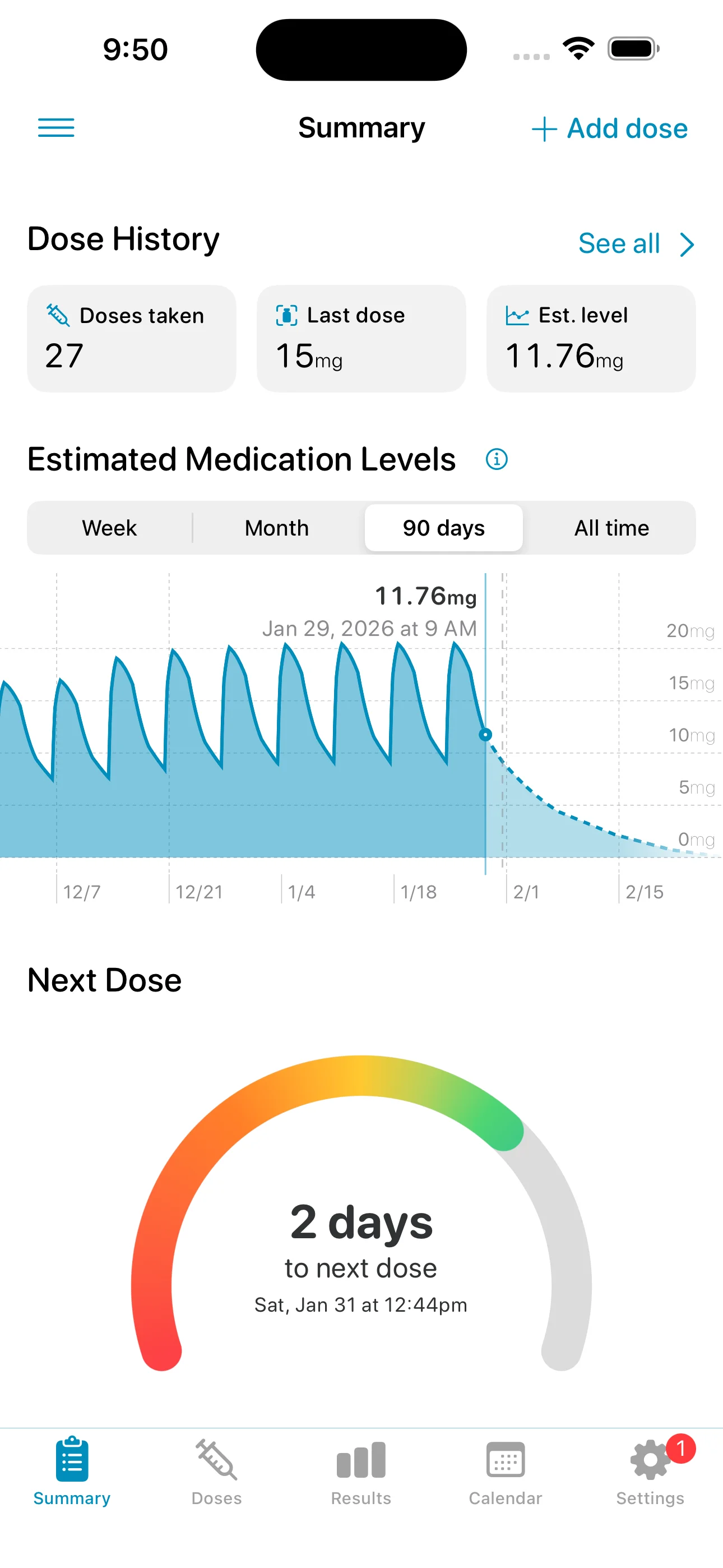
Generic nutrition and fitness trackers are not designed for weekly injections, daily GLP‑1 pills, or the unique side effects of GLP‑1 medications. Learn why a dedicated app like Shotsy can simplify your routine, help you understand how your medication levels fluctuate and keep your progress on track.
Read More →Overeating on a GLP‑1 can trigger nausea, bloating, reflux, or prolonged fullness. Learn why it happens and how to recover gently.
Read More →Oral Wegovy is a once-daily semaglutide tablet with specific morning fasting instructions. Learn how the pill differs from injectable Wegovy, how the dose steps work, and what to record when starting or switching.
Read More →GLP-1 side effects do not follow one exact calendar, but symptoms often change during the first weeks and after dose increases. Use this timeline to know what to log and when to contact your provider.
Read More →Foundayo is an FDA-approved once-daily orforglipron tablet for chronic weight management. Learn how the dose schedule works, what side effects to discuss, and what to track during the first month.
Read More →Sulfur burps can happen on GLP‑1 medications because slowed digestion gives food more time to ferment. Learn what helps and when to call your clinician.
Read More →Food noise means persistent, intrusive thoughts about food. Learn why GLP‑1 medications may quiet it and how to track cravings over time.
Read More →Headaches can happen on GLP‑1 medications, especially when intake, hydration, caffeine, or sleep changes. Learn what to track and when to get help.
Read More →Dizziness on GLP‑1 medications may relate to hydration, low intake, blood pressure, or glucose changes. Learn what to watch and track.
Read More →A GLP‑1 maintenance dose is the dose used after weight loss to help maintain results. Learn what labels say and what to track with your clinician.
Read More →GLP‑1 users often eat less, which can create nutrition gaps. Learn which supplements may be worth discussing and which claims to treat cautiously.
Read More →Learn which GLP‑1 injection site reactions are common, what warning signs need medical attention, and how tracking symptoms can help.
Read More →Everything you need to know about flying and traveling with your GLP‑1 medication, from TSA rules to keeping pens at the right temperature.
Read More →GLP‑1 shots can sting for simple reasons like cold medication, wet alcohol, site choice, or tense muscles. Learn practical ways to make injections easier.
Read More →GLP‑1 medications may help some women with menopause-related weight gain, but they do not replace menopause care, protein, strength training, or sleep support.
Read More →Rotating GLP‑1 injection sites helps reduce irritation, lumps, and soreness. Learn practical spacing rules for abdomen, thigh, and upper arm shots.
Read More →Small bruises or a drop of blood after a GLP‑1 injection are usually minor. Learn what causes them and which signs deserve medical care.
Read More →