





Introduction
Sulfur burps are an unpleasant but common side effect for people taking semaglutide (Ozempic, Wegovy) or tirzepatide (Mounjaro, Zepbound). They are typically connected to slower stomach emptying, the same mechanism that helps these medications reduce appetite. If you have noticed this symptom, you are not alone. Understanding the triggers can help you reduce how often it happens.
Why GLP‑1 medications can cause sulfur burps
GLP‑1 medications slow gastric emptying, which means food stays in the stomach longer before moving into the small intestine. When food lingers, gut bacteria have more time to ferment it and produce hydrogen sulfide, the gas responsible for the sulfur smell.
Prescribing labels refer to this symptom as eructation, the medical term for belching. The FDA label for Wegovy lists eructation in 7 percent of adults on the 2.4 mg dose compared with less than 1 percent on placebo. The Zepbound label reports eructation in 4 to 5 percent of people across common treatment doses. Real-world rates may be higher, since many people do not mention burping to their provider.
Common triggers that make them worse
Sulfur burps are rarely caused by a single food, but patterns tend to emerge after a few weeks of tracking.
- Large meals: More food in a stomach that is already emptying slowly means more fermentation.
- High-fat foods: Fried foods, creamy sauces, and heavy meals can delay emptying even further.
- High-sulfur foods: Eggs, garlic, onions, broccoli, cabbage, and some protein powders may worsen the smell for some people.
- Carbonated drinks: Bubbles add gas to a digestive system that is already processing slowly.
- Eating close to bedtime: Lying down can trap gas and worsen both burping and reflux.
What helps
The most effective first step is smaller meals. When your stomach is emptying more slowly, giving it less to process at once can make a meaningful difference. Eating slowly, chewing well, and leaving two to three hours between your last meal and lying down are also helpful.
If burps are worst during dose increases, temporarily reducing fried foods, carbonation, and high-sulfur foods may help while your body adjusts. Many people notice improvement after four to eight weeks at a stable dose.
Hydration matters as well. When you eat less, you may drink less without realizing it. Sipping water throughout the day supports digestion, especially when sulfur burps overlap with constipation or bloating.
When to call your provider
Most sulfur burps are uncomfortable but not dangerous. Call your clinician if burping comes with severe abdominal pain, repeated vomiting, inability to keep fluids down, yellowing of the skin or eyes, fever, or bloating that keeps getting worse. These symptoms can point to something beyond routine digestive slowing, and your clinician may adjust your dose, slow your titration, or look for another cause.
Track sulfur burps with Shotsy
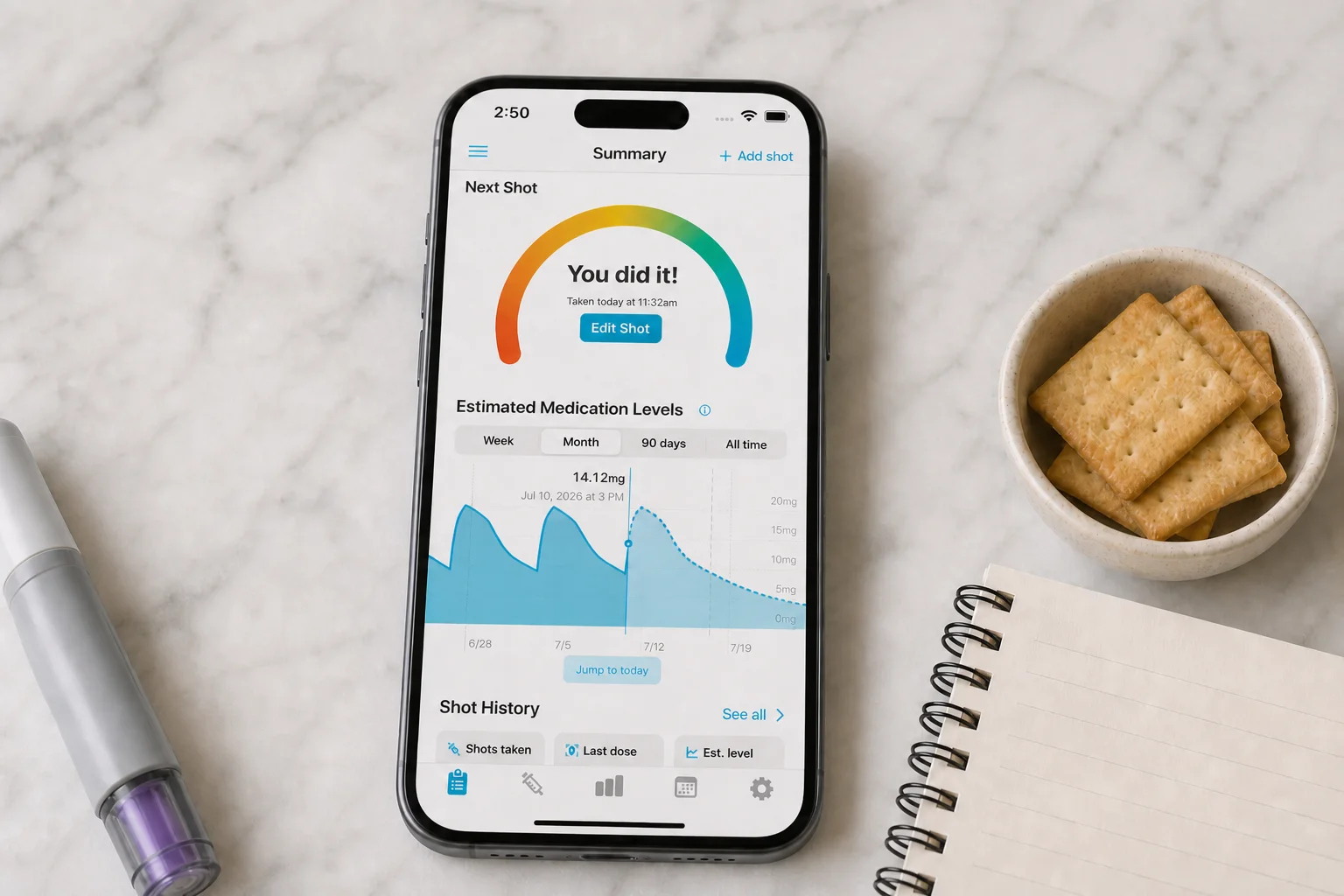
Sulfur burps often follow patterns that are difficult to see without consistent tracking. Shotsy lets you log side effects, hydration, nutrition totals, dose timing, and day notes in one place. When you can show your provider that burps increase after certain foods or dose changes, those conversations become much more productive.
Conclusion
Sulfur burps on GLP‑1 medications happen because slower digestion gives food more time to ferment. Smaller meals, fewer trigger foods, steady hydration, and patience during dose escalation usually help. If symptoms are severe or accompanied by pain or vomiting, reach out to your healthcare team.
This post is intended for informational purposes only and is not a substitute for professional medical advice. Always consult your physician before making any changes to your medication or health routine.