





Introduction
When you stop taking a GLP‑1 medication, weight regain begins quickly and is substantial. The STEP 1 trial extension found that participants regained approximately two-thirds of lost weight within one year of discontinuation (Wilding et al., Diabetes, Obesity and Metabolism, 2022). A 2026 BMJ meta-analysis confirmed the pattern at scale: patients regained an average of 0.8 kilograms per month after stopping, approaching near-baseline weight by 18 months. These outcomes are not failures of willpower, they reflect the biological reality that GLP‑1 medications treat an ongoing condition, and stopping treatment removes the physiological support that produced the weight loss.
What the research shows
The data on post-discontinuation weight regain is consistent across multiple studies:
- STEP 1 extension (semaglutide 2.4 mg): After 68 weeks on treatment, participants lost an average of 17.3 percent of body weight. One year after stopping, they had regained approximately two-thirds of that loss, settling at about 5.6 percent below their original baseline weight. Hunger scores returned to pre-treatment levels within weeks.
- BMJ meta-analysis (2026): A systematic review of GLP‑1 discontinuation studies found that participants regained weight at an average rate of 0.8 kilograms per month. By 18 months post-discontinuation, most participants had returned to within a few percentage points of their starting weight.
- SURMOUNT‑4 (tirzepatide randomized withdrawal trial): After a 36-week lead-in in which participants lost an average of 20.9 percent of body weight, those switched to placebo regained roughly half of their lost weight over the following year, while those who continued tirzepatide kept losing (Aronne et al., JAMA, 2024).
- Real-world persistence data: Only about 1 in 12 patients without diabetes remain on a GLP‑1 medication for obesity at three years, according to a Prime Therapeutics pharmacy claims analysis of commercially insured members. Cost, insurance changes, supply shortages, and side effects are the primary reasons for discontinuation.
Why weight comes back
Weight regain after stopping a GLP‑1 medication is driven by biology, not behavior:
- Appetite hormones rebound: GLP‑1 medications suppress ghrelin (the hunger hormone) and enhance satiety signaling. When the medication clears your system, these hormones return to their pre-treatment levels, and appetite increases accordingly.
- Metabolic adaptation: After significant weight loss, your body burns fewer calories at rest than someone of the same size who was never heavier. This metabolic adaptation persists long after the weight is lost, creating a caloric environment that favors regain.
- Set point theory: Emerging research suggests the brain defends a body weight “set point.” GLP‑1 medications may temporarily lower that set point, but without continued treatment, the body gradually returns to its defended weight range.
Regain can begin soon after the medication clears the body, and study follow-ups show it is typically fastest in the early months before gradually slowing as patients approach their pre-treatment weight.
Cardiovascular risks of stopping
The consequences of discontinuation extend beyond the scale. GLP‑1 medications have demonstrated cardiovascular benefits independent of weight loss, and these benefits erode when treatment stops.
A 2026 Washington University analysis found that a one-year gap in GLP‑1 treatment increased cardiovascular risk by 14 percent compared to continuous use. The SELECT trial, which demonstrated a 20 percent reduction in major cardiovascular events with semaglutide, enrolled participants who remained on treatment throughout. There is no evidence yet that cardiovascular benefits persist after discontinuation.
This is particularly relevant for patients with pre-existing cardiovascular disease who may experience both weight regain and loss of the medication’s direct cardioprotective effects.
If your provider recommends stopping
There are legitimate medical reasons to discontinue a GLP‑1 medication: intolerable side effects, pregnancy planning, surgical preparation, or a clinical determination that the risks outweigh the benefits. If you and your provider decide to stop, consider these strategies to slow regain:
- Taper gradually: Some providers recommend stepping down through lower doses rather than stopping abruptly. This has not been studied rigorously, but it may ease the transition for appetite regulation.
- Increase protein intake: Protein is the most satiating macronutrient and helps preserve muscle mass. Aim for 1.2 to 1.6 grams per kilogram of body weight daily to support metabolic rate.
- Maintain or increase exercise: Resistance training is critical for preserving muscle mass and metabolic rate after stopping medication. The muscle you build helps offset the metabolic adaptation that favors regain.
- Monitor weight weekly: Early detection of regain allows for faster intervention, whether that means restarting medication, adjusting caloric intake, or discussing alternatives with your provider.
- Set realistic expectations: Understanding that some regain is biologically likely, not a personal failure, helps you respond with strategy rather than frustration.
The case for long-term treatment
Medical organizations, including the American Association of Clinical Endocrinology, increasingly frame obesity as a chronic disease requiring ongoing treatment, much like hypertension or type 2 diabetes. From this perspective, stopping a GLP‑1 medication is comparable to stopping blood pressure medication, the underlying condition does not resolve, and the symptoms return.
This framing does not mean every patient must remain on medication indefinitely. It does mean that the decision to stop should be made with full awareness that weight regain is the expected outcome for most people, and that a plan for managing it should be in place before discontinuation.
Stay prepared with Shotsy
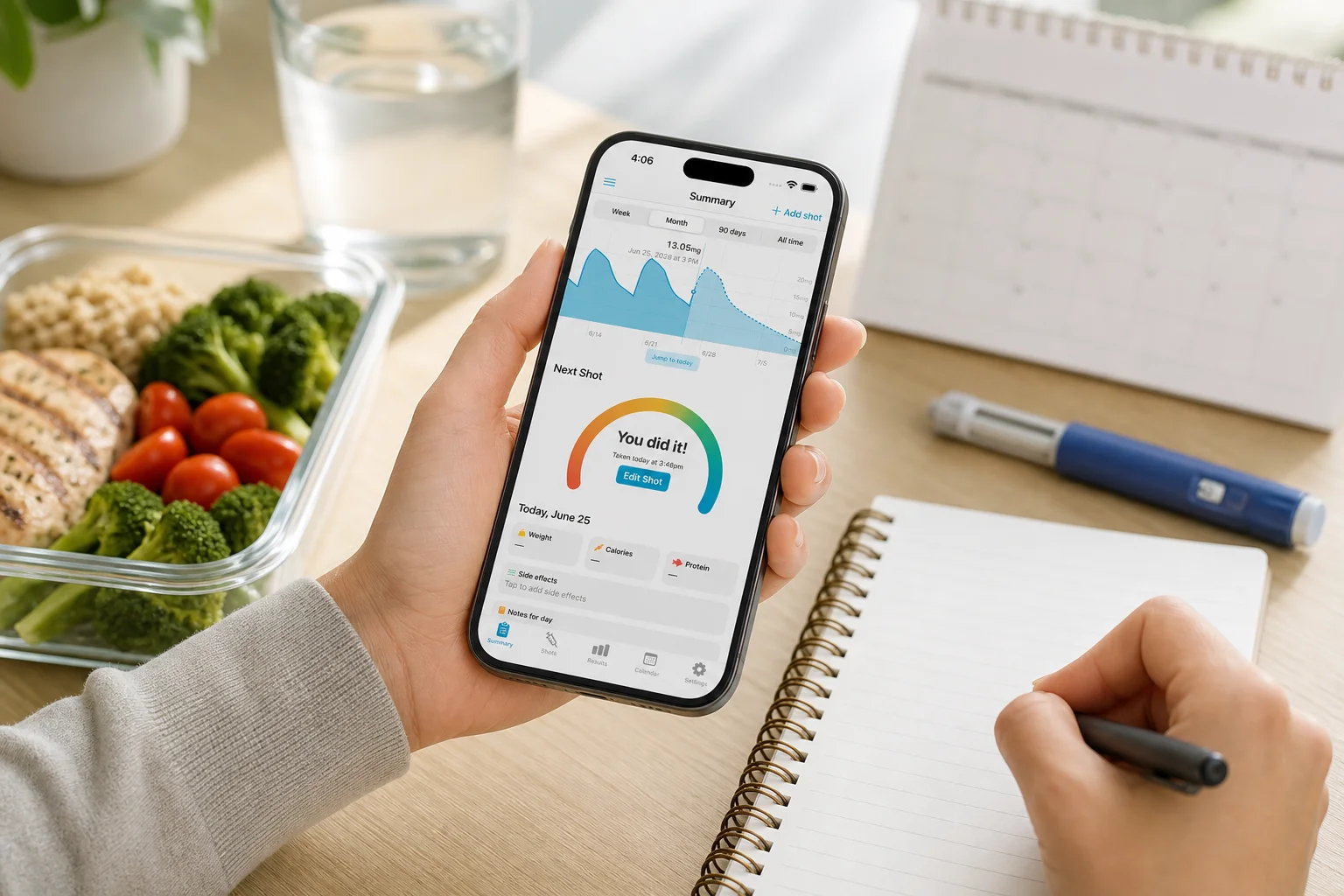
Shotsy’s maintenance mode is designed for exactly this stage. Set your goal weight range, and the app tracks whether you stay within it after discontinuation. Your full historical data, doses, weight, nutrition, side effects, remains accessible and exportable, giving your provider a complete before-and-after picture to inform next steps.
Conclusion
For related reading, see the maintenance-dose guide, weight-loss plateau guide, and GLP‑1 side-effects overview.
Stopping a GLP‑1 medication leads to significant weight regain in most people, with roughly two-thirds of lost weight returning within a year in the STEP 1 extension. Cardiovascular benefits are not established to persist after stopping, and real-world claims data show only about 1 in 12 patients remain on treatment at three years. If you and your provider decide to discontinue, prepare with higher protein intake, resistance training, and consistent weight monitoring. The data is clear: GLP‑1 medications treat a chronic condition, and the conversation about stopping should be as carefully planned as the conversation about starting.
This post is intended for informational purposes only and is not a substitute for professional medical advice. Always consult your physician before making any changes to your medication or health routine.