





Introduction
Semaglutide (Ozempic, Wegovy) and tirzepatide (Mounjaro, Zepbound) can reduce appetite and slow stomach emptying. 1 2 If you struggle to eat enough, ask your care team for help with meals and symptoms. Feeling too unwell to eat deserves attention.
Plan small meals when hunger is low
Try smaller meals or snacks at planned times if you keep missing meals. Set a reminder if you forget to eat. The 2025 joint nutrition advisory recommends small, frequent meals and food choices tailored to what you can tolerate. 3
Start with one breakfast and one backup snack you can prepare without much effort. For example, keep yogurt and fruit available for breakfast, or eggs and toast for a small meal. Our GLP‑1 meal guide has more ideas.
Choose foods you can manage
Try yogurt, eggs, tofu, soup, or a smoothie made with milk or yogurt. Include protein, but also leave room for other foods you can tolerate. Ask a dietitian to help you set food and protein goals that suit your health. 3 Our protein guide explains that discussion in more detail.
Tell your care team what makes meals difficult. “I feel full after three bites” or “cooking smells make me nauseated” gives them a clearer starting point than “I have no appetite.” Note which foods feel manageable and which symptoms stop you from finishing a meal.
Review persistent difficulty eating with your prescriber
Contact your prescriber if you keep struggling to eat, especially after a dose increase. Wegovy and Zepbound instructions allow clinicians to consider how well you tolerate treatment when planning doses. Do not change your dose or skip injections on your own. 1 2
Bring your current dose, the date symptoms began, and a few meal examples. Ask whether you need a medication review, help with nausea, or a dietitian appointment. Our nausea guide covers practical ways to manage that symptom.
Get help for symptoms that interrupt eating or drinking
Contact your clinician promptly if you keep vomiting or cannot keep fluids down. Vomiting and diarrhea can cause dehydration and kidney problems. Seek urgent medical help for severe abdominal pain that does not go away, particularly pain extending to your back. 1 2
Track meals and symptoms with Shotsy
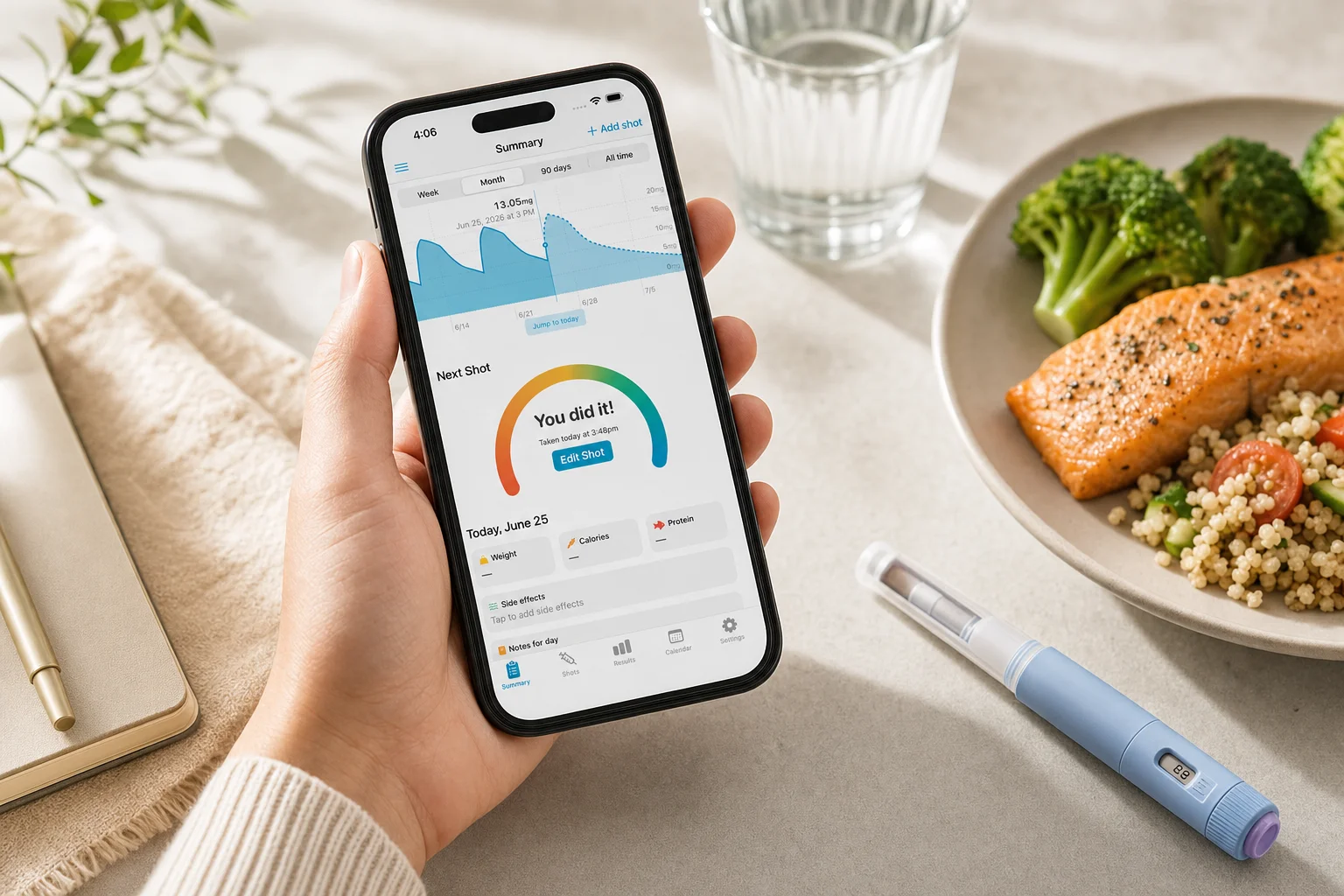
Use Shotsy to keep meal, protein, and symptom notes together. Share the record with your clinician or dietitian so you can explain what you could eat and when symptoms occurred.
Conclusion
Start with manageable meals and ask for help if you cannot meet your nutrition needs. Your care team can review both your eating plan and treatment. If you have the opposite concern, see our guide to feeling hungry while taking a GLP‑1.
This post is intended for informational purposes only and is not a substitute for professional medical advice. Always consult your physician before making any changes to your medication or health routine.