





Introduction
People taking semaglutide (Ozempic, Wegovy) or tirzepatide (Mounjaro, Zepbound) often eat significantly less, which can create nutritional gaps over time. The goal is not to accumulate supplements. It is to ensure your smaller meals still deliver the vitamins, minerals, protein, and fluids your body needs.
Food still comes first
A 2025 joint advisory from the American College of Lifestyle Medicine, the American Society for Nutrition, the Obesity Medicine Association, and The Obesity Society emphasizes nutrient-dense foods during GLP‑1 therapy. It notes that large reductions in appetite and energy intake can increase the risk of falling short on key nutrients.
Supplements can fill gaps, but they are not a substitute for lean protein, vegetables, fruits, whole grains, legumes, nuts, seeds, and adequate fluids. If your intake has dropped very low, that is a good reason to talk with your clinician or a dietitian.
Protein deserves the most attention
Protein is not a vitamin, but it is often the most important nutrition target during GLP‑1 weight loss. Lower appetite can make it difficult to eat enough, and losing weight quickly without resistance training raises the risk of losing muscle along with fat.
Protein shakes, Greek yogurt, cottage cheese, eggs, fish, tofu, beans, and lean meats can all help depending on your preferences and tolerance. Aiming for protein at every meal and snack is a practical starting point.
Supplements worth discussing with your clinician
The right supplement depends on your diet, labs, age, medications, and health history. Commonly discussed options include:
- Multivitamin-mineral: Can help cover broad gaps when overall intake is low.
- Vitamin D: Often considered when lab levels, sun exposure, or dietary intake are low.
- Calcium: Important for bone health, especially if dairy or fortified foods are limited.
- Vitamin B12: Worth asking about if you eat little animal protein or take metformin.
- Fiber: Can help with constipation, but should be increased slowly with adequate fluids.
- Magnesium: May help some people meet intake needs, though the right dose and form matter.
Be cautious with weight-loss supplement claims
The NIH Office of Dietary Supplements warns that weight-loss supplements often contain many ingredients and are not regulated like prescription medications. Some have limited evidence, some can interact with your medications, and some may worsen nausea, diarrhea, anxiety, or sleep.
Stacking appetite suppressants or stimulant products on top of a GLP‑1 is generally not recommended unless your clinician specifically advises it. Your appetite and digestion are already changed, and more is not always better.
Track nutrition with Shotsy
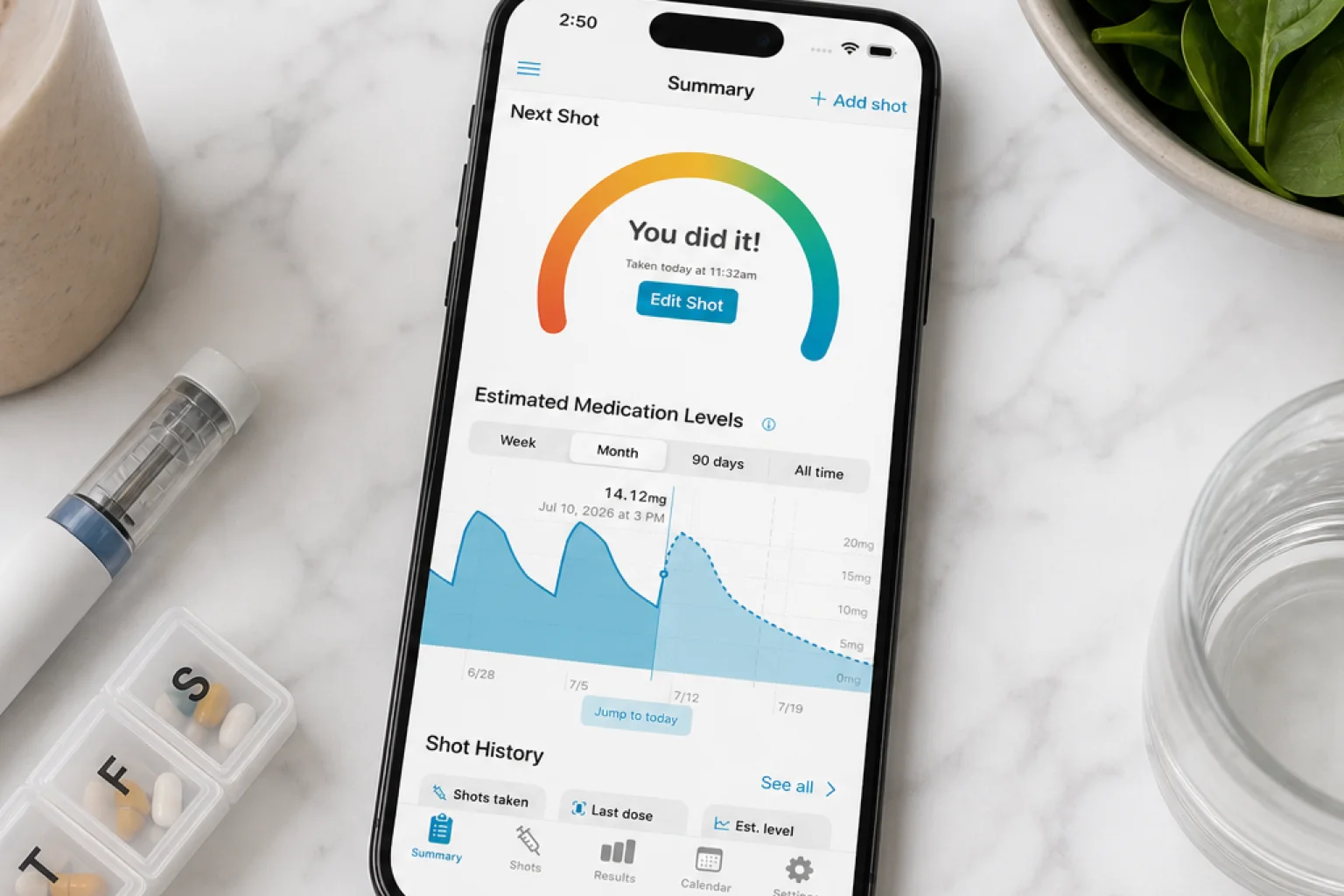
Shotsy syncs protein, calories, fiber, water, carbohydrates, and fat from Apple Health. Adding supplement notes in your day notes lets you compare changes in energy, constipation, nausea, and weight trends over time, helping you see what is making a difference.
Conclusion
The best supplement plan on a GLP‑1 starts with food, protein, hydration, and lab-informed guidance from your clinician. A multivitamin, vitamin D, calcium, B12, fiber, or magnesium may be useful for some people, but weight-loss supplement claims deserve caution. Track what you take and how you feel so your decisions are based on real patterns.
This post is intended for informational purposes only and is not a substitute for professional medical advice. Always consult your physician before making any changes to your medication or health routine.