





Introduction
GLP‑1 medications do not appear to cause suicidal thoughts or severe psychiatric harm based on the largest regulatory reviews to date. The European Medicines Agency (EMA) conducted a thorough review in 2023–2024 and found no causal link between GLP‑1 receptor agonists and suicidality. However, some users do report mood changes, increased anxiety, or emotional shifts during treatment, particularly during dose escalation. These experiences are real and worth understanding, even if the population-level data is reassuring. This article examines what the research shows, why mood changes may occur, and how to manage them.
What regulators found
In mid-2023, reports of suicidal thoughts in patients taking semaglutide and liraglutide prompted the EMA to launch a formal safety signal assessment. After reviewing clinical trial data, post-marketing surveillance reports, and real-world evidence across millions of prescriptions, the EMA concluded in 2024 that the available evidence does not support a causal association between GLP‑1 receptor agonists and suicidal or self-injurious behavior.
The FDA conducted a parallel evaluation and reached a similar conclusion, stating that a causal relationship had not been established. Both agencies noted that the reports were rare relative to the large number of patients using these medications and that confounding factors, including pre-existing mental health conditions, major lifestyle changes, and concurrent medications, made it difficult to attribute psychiatric symptoms directly to GLP‑1 treatment.
These findings do not mean that individual patients cannot experience mood changes. They mean that at a population level, GLP‑1 medications do not appear to increase psychiatric risk compared to placebo.
Why some people feel better on GLP‑1 medications
A meaningful subset of GLP‑1 users report improved mood and emotional well-being during treatment. Several factors may explain this:
- Weight loss and body confidence: Losing weight, particularly when it has been a long-standing source of distress, can significantly improve self-esteem and reduce symptoms of depression and anxiety. Studies on bariatric surgery outcomes consistently show mental health improvements following substantial weight loss.
- Reduced food noise: Many GLP‑1 users describe a dramatic reduction in the constant mental preoccupation with food. This cognitive relief can feel liberating and reduce the anxiety and shame associated with overeating.
- Lower systemic inflammation: Chronic obesity is associated with elevated inflammatory markers, which have been linked to depression in multiple studies. As GLP‑1 medications reduce body weight and inflammation, some patients may experience a corresponding improvement in mood.
- Better sleep and energy: Weight loss often improves sleep quality, particularly in people with obstructive sleep apnea. Better sleep has well-documented effects on mood regulation and emotional resilience.
Why some people experience mood changes
On the other hand, some users report increased anxiety, irritability, or low mood during GLP‑1 treatment. Several mechanisms may contribute:
- Rapid dietary restriction: GLP‑1 medications significantly reduce appetite, which can lead to a sharp drop in caloric intake. Rapid caloric restriction can affect serotonin production, since the amino acid tryptophan (a serotonin precursor) comes from dietary protein. If protein intake drops substantially, neurotransmitter balance may be temporarily disrupted.
- Dose escalation stress: The titration period, when doses are gradually increased every four weeks, can be physically and emotionally taxing. Gastrointestinal side effects like nausea, fatigue, and digestive discomfort can compound into feelings of irritability or low mood.
- Identity and relationship shifts: Significant weight loss changes how people see themselves and how others respond to them. These shifts can trigger complicated emotions, including grief over lost time or anxiety about maintaining progress.
- Blood sugar fluctuations: In patients with insulin resistance or prediabetes, GLP‑1 medications can cause blood sugar to drop lower than the body is accustomed to. Mild hypoglycemia can produce symptoms that mimic anxiety, including shakiness and irritability.
The role of pre-existing mental health conditions
Experts at the University of Utah Health recommend a behavioral health evaluation before starting GLP‑1 treatment, particularly for patients with a history of depression, anxiety, eating disorders, or other psychiatric conditions. This isn’t because GLP‑1 medications are inherently dangerous for these patients but because the rapid changes in appetite, body weight, and eating patterns can interact with existing vulnerabilities.
Patients with binge eating disorder may find that the sudden loss of appetite disrupts coping mechanisms they’ve relied on for years. Similarly, those with a history of restrictive eating may find that appetite suppression reinforces unhealthy patterns. A mental health provider can help navigate these transitions.
When to talk to your doctor
If you notice persistent mood changes during GLP‑1 treatment, don’t dismiss them or assume they’re unrelated. Bring them up with your healthcare provider, especially if you experience:
- Sustained low mood or loss of interest lasting more than two weeks
- Increased anxiety or panic episodes that weren’t present before treatment
- Unusual irritability or emotional reactivity that interferes with daily life
- Thoughts of self-harm or suicide (seek immediate help; call 988 Suicide & Crisis Lifeline)
Your provider may recommend adjusting your dose, extending the titration schedule, or adding mental health support.
Practical strategies for emotional well-being
A few proactive habits can help protect your mental health during GLP‑1 treatment:
- Prioritize protein intake: Aim for adequate protein at every meal to support serotonin production and prevent the muscle loss that can contribute to fatigue and low energy.
- Maintain social connections: Weight loss journeys can be isolating. Stay connected with friends, family, or support groups.
- Move your body: Regular physical activity is one of the most effective mood stabilizers available. Even moderate walking has measurable antidepressant effects.
- Track how you feel: Keeping a daily record of your mood alongside your dose, nutrition, and side effects helps you identify patterns and share concrete information with your care team.
Track your mental health with Shotsy
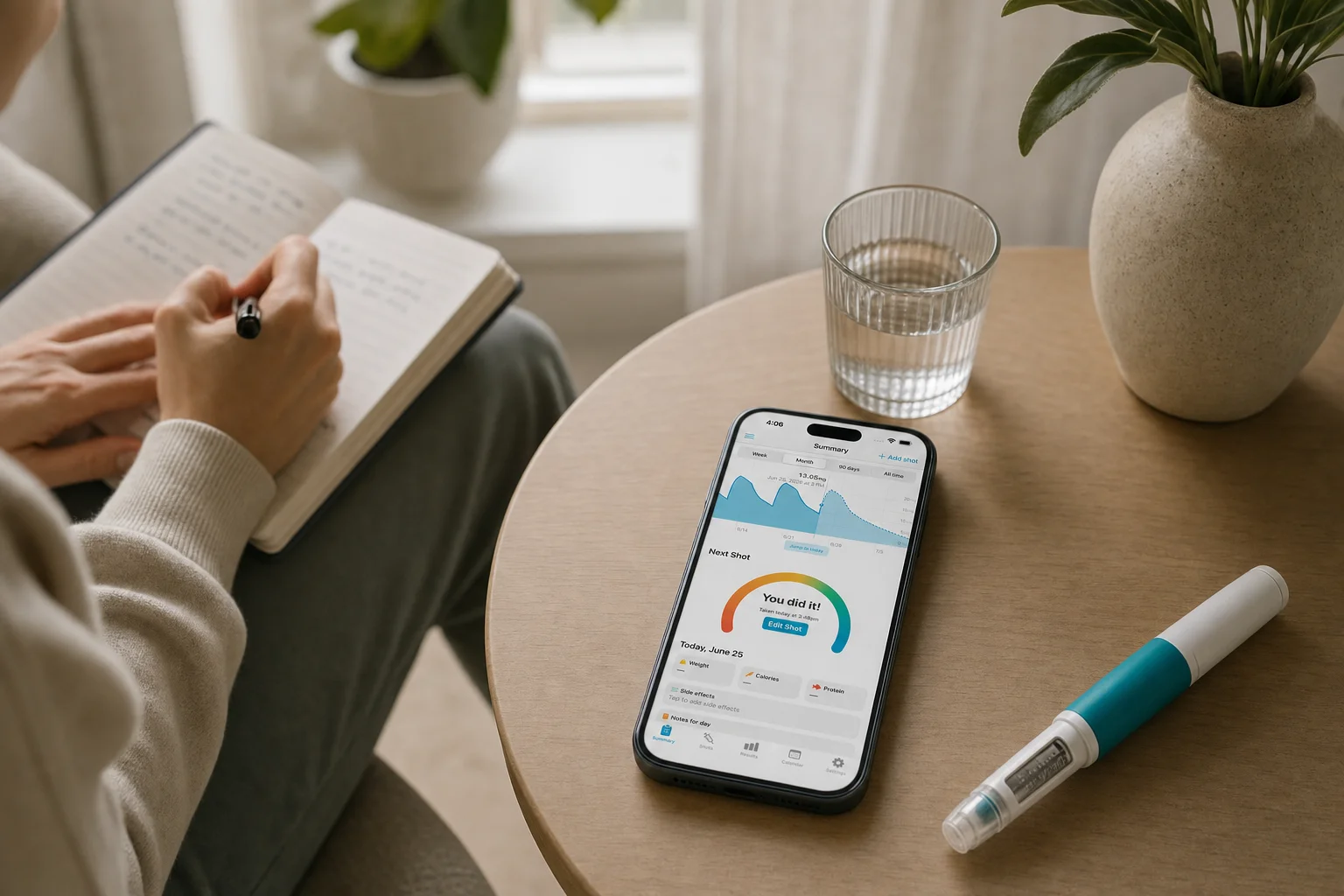
Shotsy’s daily notes and side effect sliders let you log mood changes on a 0–10 scale alongside your dose schedule and nutrition data. Over time, this creates a record that reveals whether mood shifts correlate with dose increases or dietary changes. If you’re working with a therapist or psychiatrist, this data gives your provider a clear picture without relying on memory alone.
Conclusion
The relationship between GLP‑1 medications and mental health is nuanced. Large-scale regulatory reviews have not found evidence that these medications cause psychiatric harm, and many users report improved well-being as they lose weight. At the same time, individual mood changes during treatment are real and worth taking seriously. Stay aware of how you feel, maintain adequate nutrition, and communicate openly with your healthcare providers. Tracking your daily experience makes those conversations more productive.
This post is intended for informational purposes only and is not a substitute for professional medical advice. Always consult your physician before making any changes to your medication or health routine.