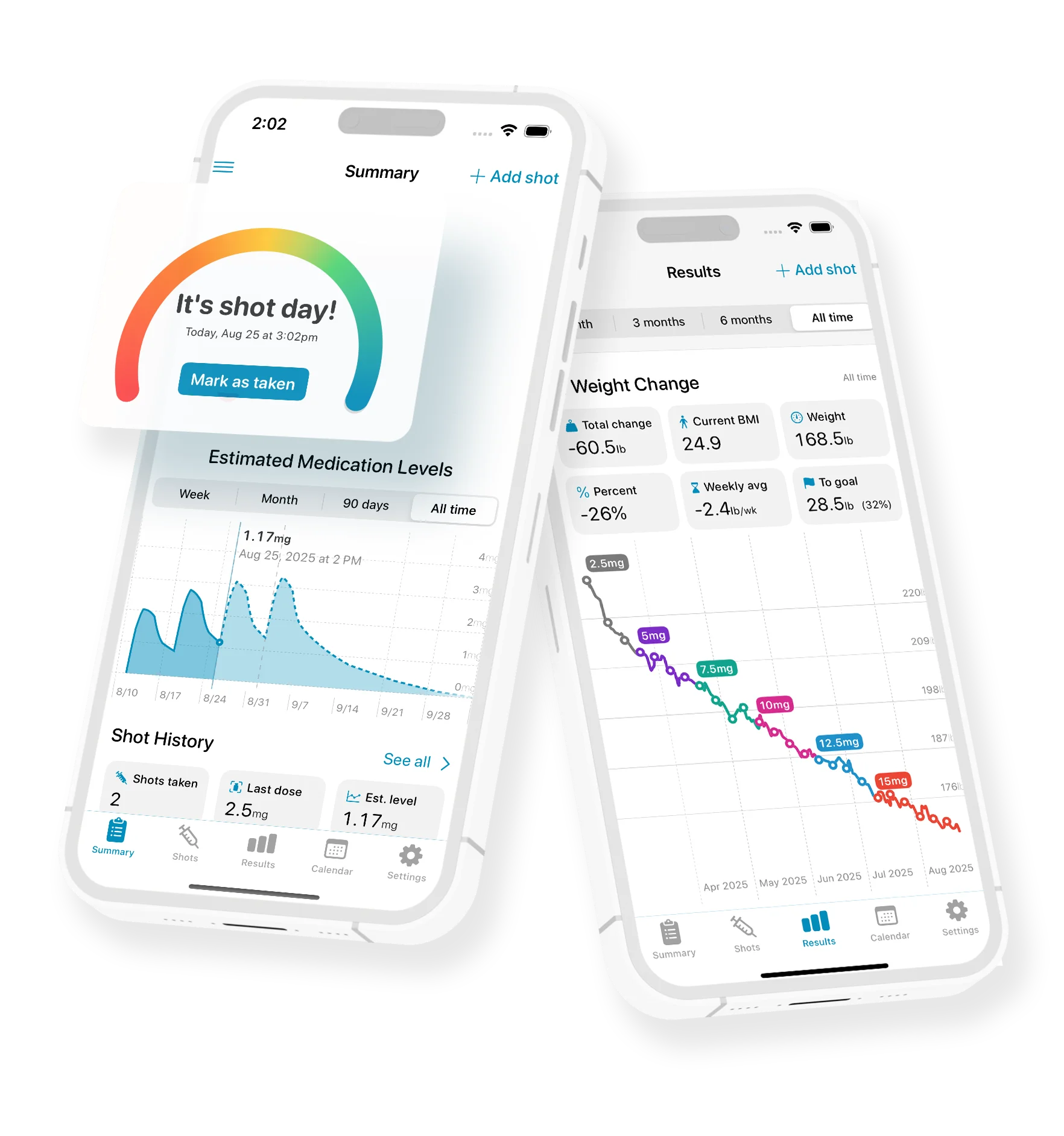
Semaglutida básica: o que saber enquanto você acompanha
A semaglutida é um agonista do receptor de GLP-1 da Novo Nordisk: ela aumenta a secreção de insulina dependente de glicose, retarda o esvaziamento gástrico e reduz o apetite. É vendida como Ozempic, uma injeção semanal para diabetes tipo 2, como Wegovy para o controle crônico do peso e em forma de comprimido. Sua meia-vida de cerca de uma semana é o que torna possível a dose semanal única, e ela permanece no seu organismo por aproximadamente cinco semanas após a última dose.
Em ensaios clínicos, a semaglutida produziu reduções estatisticamente significativas na A1C, perda de peso superior em comparação com placebo e um risco reduzido de eventos cardiovasculares maiores em um grande ensaio de desfechos. Os efeitos colaterais mais comuns são digestivos: náusea, vômito, dor abdominal, prisão de ventre e diarreia, e são mais prováveis perto dos aumentos de dose.
A semaglutida manipulada é prescrita por meio de farmácias de manipulação, muitas vezes em quantidades de dose personalizadas. A FDA levantou preocupações sobre produtos GLP-1 não aprovados, então trabalhe com um profissional licenciado e uma farmácia de confiança. Nosso guia sobre se a semaglutida manipulada é segura cobre o que verificar antes de começar, e o Shotsy acompanha doses manipuladas em qualquer quantidade prescrita para você.
Formas de semaglutida em resumo
A dose certa depende de qual forma de semaglutida você toma. O Shotsy inclui doses predefinidas para as formas de marca e aceita quantidades personalizadas para prescrições manipuladas, mostrando seu progresso por dose em gráficos de qualquer forma.
| Forma |
Doses disponíveis |
Frequência |
| Ozempic (injeção semanal) |
0,25 mg a 2 mg |
Uma vez por semana |
| Wegovy (injeção semanal) |
0,25 mg a 2,4 mg |
Uma vez por semana |
| Comprimidos de Rybelsus e Wegovy |
Definida pelo seu médico |
Uma vez por dia |
| Semaglutida manipulada |
Personalizada, definida pela sua prescrição |
Geralmente uma vez por semana |
Seu médico define sua dose e seu cronograma. Esta tabela é um resumo apenas para fins educativos e não é aconselhamento médico.