





Introduction
One of the first questions people ask when starting semaglutide (Ozempic, Wegovy) or tirzepatide (Mounjaro, Zepbound) is how long they will need to take it. The honest answer is that for most people, GLP‑1 medications work best as a long-term treatment rather than a short-term fix. Clinical evidence consistently shows that stopping leads to significant weight regain, and the medical community increasingly treats obesity as a chronic, relapsing condition that requires ongoing management.
What happens when treatment continues long-term
Clinical trials provide clear data on what sustained treatment looks like:
- Continued weight maintenance: In the STEP and SURMOUNT trials, patients who remained on medication maintained their weight loss for the duration of the study periods, typically 68 to 72 weeks.
- Sustained metabolic improvements: Blood sugar, blood pressure, cholesterol, and other cardiometabolic markers generally remain improved as long as treatment continues.
- Ongoing appetite suppression: The medication’s effect on hunger and food-seeking behavior persists with continued use, though some patients report gradually increased appetite at a given dose over time.
For patients with type 2 diabetes, GLP‑1 medications are already established as long-term or indefinite treatments. The weight-management indication is increasingly following the same pattern.
What happens when people stop
The data on discontinuation is sobering. In the STEP 1 extension trial, patients who stopped semaglutide 2.4 mg after achieving 17.3 percent weight loss regained approximately two-thirds of that weight within one year. A 2026 meta-analysis published in the BMJ found that people stopping newer GLP‑1s regained weight at approximately 0.8 kilograms per month, returning to near-baseline weight by 18 months. Blood sugar, blood pressure, and cholesterol improvements also reversed.
Weight regain begins quickly. Meta-analyses show measurable regain within 8 weeks of stopping, and it is typically paired with worsening metabolic markers across the board.
Why so many people discontinue early
Despite the benefits, real-world data shows that roughly half of all patients prescribed a GLP‑1 discontinue within 12 months, and only 1 in 12 remain on treatment after three years according to data from Prime Therapeutics. The most common reasons include:
- Side effects: Persistent GI symptoms lead some patients to stop before reaching therapeutic doses.
- Cost: Brand-name GLP‑1 medications cost $1,000 or more per month without adequate insurance coverage.
- Insurance coverage gaps: Changes in employment, insurance plans, or prior authorization requirements can interrupt access.
- Misconception that treatment is temporary: Some patients view GLP‑1 medications as a short-term intervention rather than a chronic treatment, leading to elective discontinuation after reaching a goal weight.
How to think about treatment duration
Rather than asking “how long do I have to take this,” consider these evidence-based frameworks:
- Obesity is a chronic condition: Just as blood pressure medication manages hypertension long-term, GLP‑1 medications manage the biological drivers of obesity. Stopping treatment does not eliminate the condition.
- Maintenance dosing may be an option: Some providers explore lower maintenance doses after patients reach their goals, though this is still being studied. The SURMOUNT-5 trial is examining intermittent tirzepatide dosing specifically for weight maintenance.
- Tapering is better than stopping abruptly: If you are considering discontinuation for any reason, work with your prescriber on a gradual taper rather than stopping cold turkey. This gives your body time to adjust.
- Set a regain threshold: Establish a specific number with your provider, typically 3 to 5 percent above your maintenance weight, that triggers a conversation about restarting or adjusting treatment.
Plan with your provider using Shotsy data
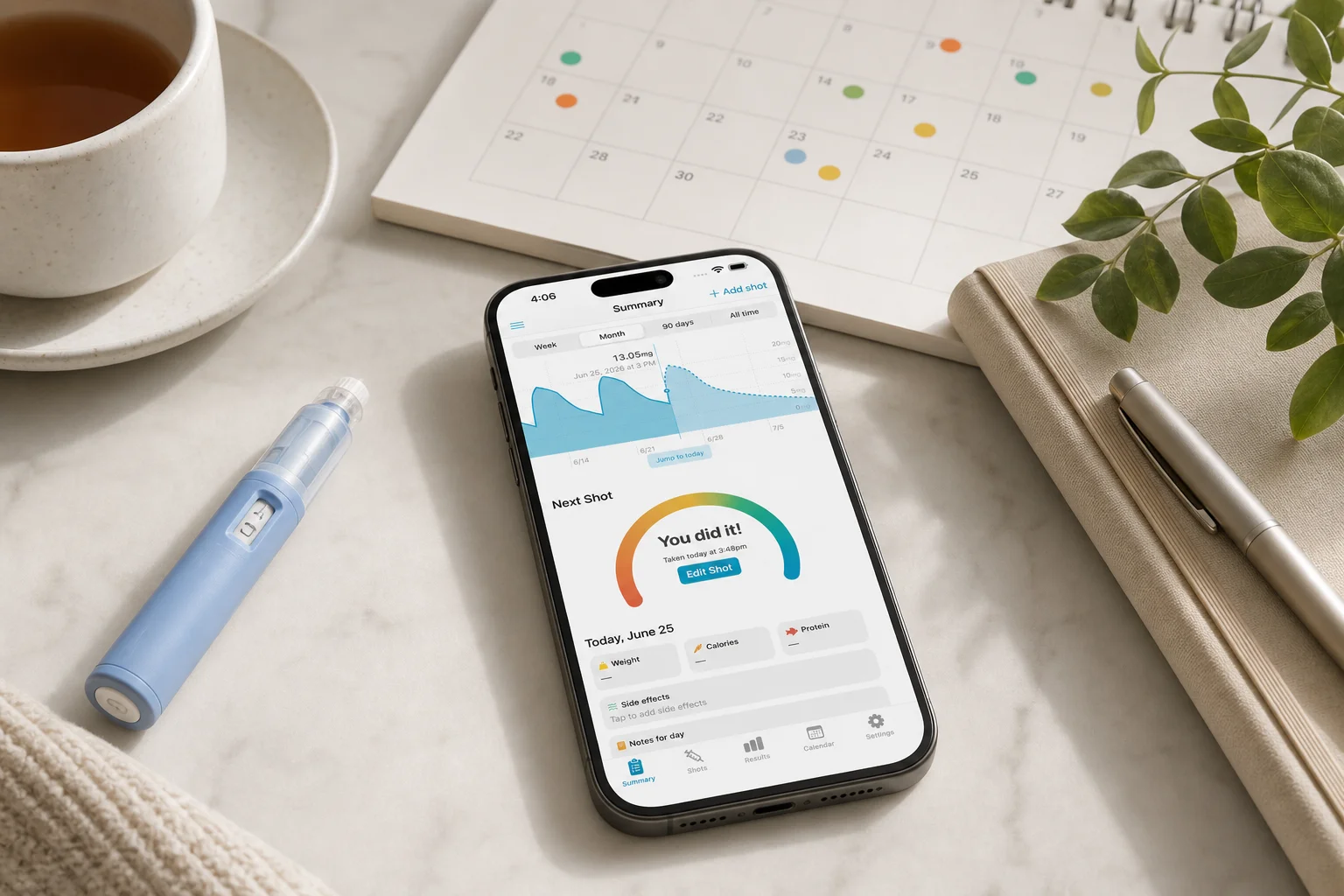
Shotsy’s long-term tracking gives you and your provider the data to make informed decisions. Your weight trend, dose history, and side effect patterns over months reveal how your body responds to treatment. The maintenance mode feature tracks your weight within a goal range after you reach your target, helping you monitor stability.
Conclusion
For most people, GLP‑1 medications are a long-term commitment, not a quick fix. The evidence consistently shows that stopping leads to substantial weight regain, often within months. Work with your provider to plan your treatment duration, consider maintenance strategies, and use your tracking data to guide the conversation rather than guessing.
This post is intended for informational purposes only and is not a substitute for professional medical advice. Always consult your physician before making any changes to your medication or health routine.