





Introduction
The next wave of weight loss medications is expected to reach the market in 2027, with several candidates showing substantially greater efficacy than current options. Retatrutide, a triple-receptor agonist from Eli Lilly, achieved 28.7 percent body weight loss in Phase 3 trials. CagriSema from Novo Nordisk combined amylin and GLP‑1 pathways for 22.7 percent weight loss. Additional candidates from Boehringer Ingelheim and Amgen are also in late-stage development. None are FDA-approved yet, but the clinical data signals a meaningful step forward from existing GLP‑1 therapies. Here is what each medication does and when it might become available.
Retatrutide: the triple agonist
Retatrutide targets three receptors simultaneously: GLP‑1, GIP, and glucagon. Current dual agonists like tirzepatide (Mounjaro, Zepbound) act on GLP‑1 and GIP. Adding glucagon receptor activation increases energy expenditure and promotes fat breakdown in the liver, which may explain the higher weight loss numbers.
In the Phase 3 TRIUMPH-4 trial, participants on retatrutide achieved an average of 28.7 percent body weight loss, making it the most effective obesity medication tested to date. The side effect profile was similar to existing GLP‑1 medications: nausea, diarrhea, and vomiting were the most common adverse events and were largely concentrated during dose titration.
Eli Lilly is expected to submit a New Drug Application (NDA) to the FDA in late 2026 or early 2027, with a potential approval decision in the second half of 2027. Retatrutide is also being studied for metabolic dysfunction-associated steatohepatitis (MASH), formerly known as fatty liver disease, which could expand its clinical use beyond obesity.
CagriSema: amylin meets GLP‑1
CagriSema combines cagrilintide, a long-acting amylin analog, with semaglutide in a single weekly injection. Amylin is a hormone co-secreted with insulin that promotes satiety and slows gastric emptying through mechanisms distinct from GLP‑1. The combination aims to target complementary appetite pathways for greater effect than either component alone.
The REDEFINE-1 Phase 3 trial reported 22.7 percent average body weight loss over 68 weeks, which exceeded the roughly 16 percent seen with semaglutide 2.4 mg alone. The FDA is expected to make a decision on CagriSema in late 2026. If approved, it would be the first combination injection to pair two distinct satiety hormones.
Novo Nordisk is also running the REDEFINE program across multiple patient populations including people with type 2 diabetes, where GLP‑1 therapies typically produce more modest weight loss. Results from those trials will help define how CagriSema compares to existing options across different clinical scenarios.
Survodutide: a dual agonist approach
Survodutide from Boehringer Ingelheim activates both GLP‑1 and glucagon receptors. In Phase 2 trials, participants achieved approximately 19 percent body weight loss over 46 weeks. Phase 3 trials are currently underway, with results expected in 2026.
The glucagon component is notable because it increases resting energy expenditure, meaning the body burns more calories even at rest. This mechanism may help address the metabolic adaptation that causes weight loss plateaus on existing therapies. Like retatrutide, survodutide is also being studied for MASH, reflecting the growing recognition that obesity medications can treat multiple metabolic conditions simultaneously.
MariTide: once-monthly dosing
MariTide from Amgen takes a different approach. It is an antibody-peptide conjugate that blocks the GIP receptor while activating GLP‑1, and it is designed to be injected just once per month instead of weekly. In Phase 2 data, participants lost up to 20 percent of their body weight, with the once-monthly dosing maintained over the study period.
Phase 3 trials are ongoing, and Amgen has not yet announced an expected NDA submission date. If MariTide proves effective and safe in larger trials, once-monthly dosing could reduce the treatment burden significantly and improve adherence. For patients who find weekly injections inconvenient or who frequently miss doses, a monthly option would be a meaningful quality-of-life improvement.
Oral formulations on the horizon
Beyond injectable medications, several companies are developing oral alternatives. Novo Nordisk’s oral semaglutide for obesity (higher-dose Rybelsus) and Eli Lilly’s orforglipron (a non-peptide oral GLP‑1 agonist) are in late-stage trials. Pfizer’s danuglipron is another oral GLP‑1 candidate, though earlier trials showed higher discontinuation rates due to gastrointestinal side effects.
Oral medications could dramatically expand access to GLP‑1 therapy by eliminating the need for injections, simplifying pharmacy distribution, and potentially lowering manufacturing costs. However, oral bioavailability remains a challenge, and none of these formulations have yet demonstrated efficacy equivalent to injectable options in head-to-head comparisons.
What this means for current GLP‑1 users
If you are currently taking semaglutide or tirzepatide, these next-generation medications are not yet available and none are FDA-approved. There is no reason to stop or modify your current treatment based on pipeline data. However, the landscape is moving quickly, and understanding the options can help you have informed conversations with your provider about future treatment plans.
Switching medications is a clinical decision that should be based on your individual response, side effect tolerance, insurance coverage, and health goals. Having a documented history of your current treatment response gives your provider the data they need to evaluate whether a newer medication might be appropriate when it becomes available.
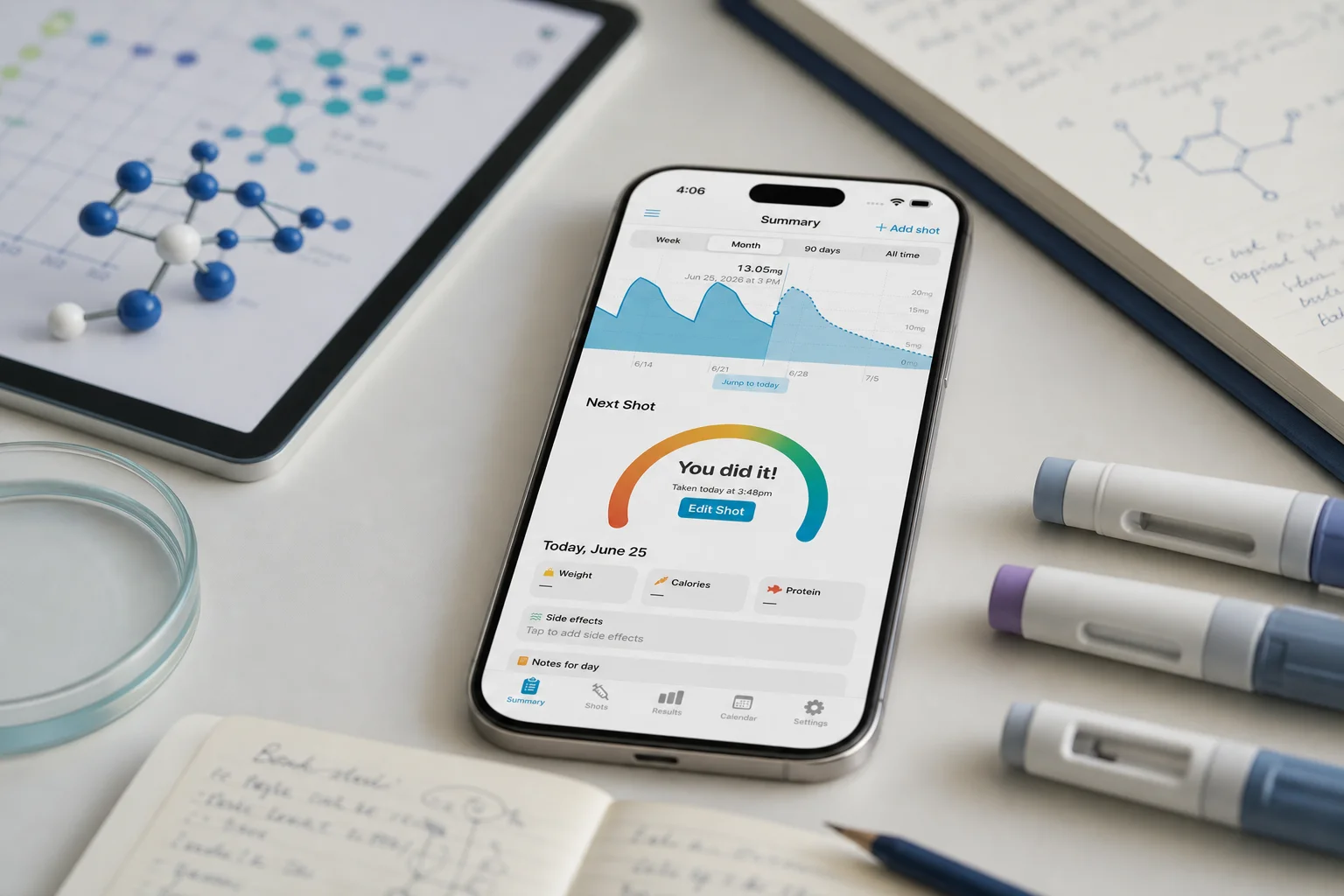
Track your baseline with Shotsy
Shotsy supports custom medications and will add new FDA-approved options as they launch. Your existing tracking data for weight, doses, side effects, and nutrition gives your provider the baseline they need to evaluate whether switching to a next-generation medication makes sense for you. The longer your tracking history, the clearer the comparison.
Conclusion
The obesity medication pipeline is entering a new phase with candidates that target multiple hormone pathways and deliver meaningfully greater weight loss than current options. Retatrutide leads with 28.7 percent weight loss in Phase 3, CagriSema offers a novel amylin-GLP‑1 combination at 22.7 percent, survodutide adds glucagon activation, and MariTide could bring once-monthly dosing. None are approved yet, but FDA decisions are expected across 2026 and 2027. Stay on your current treatment plan, track your progress, and discuss the evolving options with your healthcare provider as new data emerges.
This post is intended for informational purposes only and is not a substitute for professional medical advice. Always consult your physician before making any changes to your medication or health routine.