





Introduction
Fatigue on GLP‑1 medications is common and usually caused by reduced calorie intake, dehydration, or inadequate protein rather than the medication itself. In the STEP 1 trial, 11 percent of participants taking semaglutide 2.4 mg reported fatigue compared to 6.5 percent on placebo. A large Reddit self-report study published on medRxiv in 2026 found that 16.7 percent of 67,008 GLP‑1 users cited fatigue as a side effect. The good news is that fatigue is one of the most correctable GLP‑1 side effects because its root causes are identifiable and addressable.
Why GLP‑1 medications cause fatigue
GLP‑1 medications reduce appetite significantly, which means many users eat substantially fewer calories than their body needs to maintain energy. When caloric intake drops below your resting metabolic rate, your body compensates by slowing non-essential functions and conserving energy. The result feels like persistent tiredness, low motivation, and difficulty concentrating.
Several specific mechanisms contribute:
- Caloric deficit: Rapid reduction in food intake can create an energy gap that the body cannot fully compensate for, especially in the first few weeks. A deficit of 500 or more calories below your baseline is enough to produce noticeable fatigue.
- Dehydration: GLP‑1 medications reduce thirst cues along with hunger cues. Combined with potential fluid losses from gastrointestinal side effects like nausea and diarrhea, dehydration develops silently and compounds fatigue.
- Protein deficiency: When total food intake drops, protein intake often drops disproportionately. Inadequate protein accelerates muscle loss, reduces circulating amino acids, and impairs neurotransmitter production, all of which contribute to low energy.
- Blood sugar fluctuations: GLP‑1 agonists lower blood glucose. For people transitioning from chronically elevated blood sugar levels, the adjustment period can produce symptoms that feel like fatigue even though glucose levels are now in a healthier range.
The role of B12 deficiency
Vitamin B12 deficiency is an underdiagnosed contributor to fatigue in GLP‑1 users. Metformin, which many people take alongside GLP‑1 medications for type 2 diabetes, is well documented to reduce B12 absorption over time. GLP‑1-mediated slowing of gastric motility may further impair B12 uptake from food.
Symptoms of B12 deficiency overlap significantly with general fatigue: tiredness, weakness, difficulty concentrating, and mood changes. If your fatigue persists despite adequate calories, protein, and hydration, ask your provider to check your B12 level with a simple blood test. Supplementation is straightforward and can make a measurable difference within a few weeks.
How to address calorie-related fatigue
The most effective intervention for GLP‑1 fatigue is ensuring your caloric intake does not drop too far below your body’s needs. This does not mean overeating or ignoring the medication’s appetite-suppressing effects. It means being intentional about calorie quality and distribution:
- Set a calorie floor: Work with your provider or a dietitian to establish a minimum daily calorie target. For most adults, this is at least 1,200 calories per day, though individual needs vary based on body size and activity level.
- Prioritize protein: Aim for 1.0 to 1.2 grams of protein per kilogram of body weight daily. Protein supports muscle preservation, provides sustained energy, and has a higher thermic effect than fat or carbohydrates.
- Distribute meals across the day: Eating four to five smaller meals rather than one or two larger ones maintains steadier blood sugar and energy levels throughout the day.
- Include complex carbohydrates: Whole grains, legumes, and starchy vegetables provide sustained glucose release. Cutting carbohydrates too aggressively can worsen fatigue, especially during exercise.
Hydration strategies that make a difference
Dehydration is easy to miss when your appetite suppression also blunts your thirst. Practical strategies include:
- Set a daily water target: A general guideline is half your body weight in ounces (for example, a 180-pound person would aim for 90 ounces). Adjust upward if you exercise or live in a hot climate.
- Front-load hydration: Drink a full glass of water first thing in the morning and before each meal. This establishes a baseline before appetite suppression reduces your inclination to drink.
- Monitor urine color: Pale yellow indicates adequate hydration. Dark yellow or amber signals you need more fluids.
- Include electrolytes: If you are eating significantly less food, you may also be getting fewer electrolytes. A low-sugar electrolyte supplement can help, particularly sodium, potassium, and magnesium.
When fatigue warrants medical attention
Some level of tiredness during the first few weeks of GLP‑1 therapy is expected as your body adjusts to lower caloric intake. However, contact your provider if:
- Fatigue persists beyond four to six weeks at the same dose despite adequate nutrition and hydration.
- You experience extreme exhaustion that prevents normal daily activities.
- Fatigue is accompanied by shortness of breath, chest pain, or rapid heart rate.
- You notice numbness or tingling in your hands or feet, which could indicate B12 or other nutritional deficiencies.
Your provider can order bloodwork to check for nutritional deficiencies, thyroid function, and other treatable causes.
Track your energy patterns with Shotsy
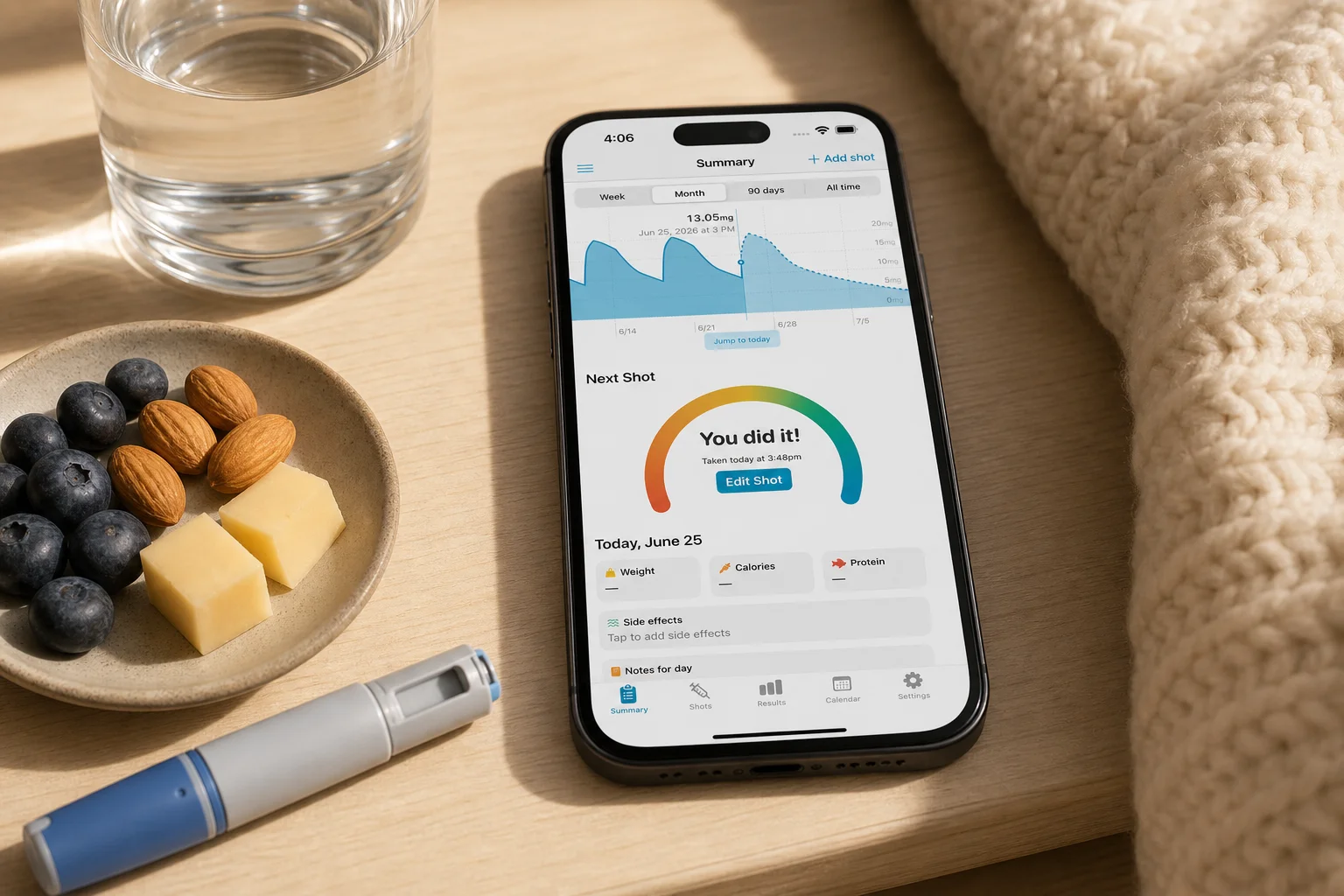
Shotsy lets you track daily calories and protein totals to see whether low-energy days correlate with under-eating. The side effect sliders rate fatigue daily on a 0-to-10 scale, and the calendar view reveals patterns around dose days. Over a few weeks, the data often shows a clear relationship between calorie intake, protein levels, and how you feel.
Conclusion
Fatigue on GLP‑1 medications is one of the most fixable side effects because its causes are usually nutritional rather than pharmacological. Ensure you are eating enough total calories, hitting your protein targets, staying hydrated, and monitoring for B12 deficiency. Track your intake and energy levels to identify personal patterns and bring the data to your provider if fatigue persists. Most people find that targeted dietary adjustments resolve the issue within a few weeks.
This post is intended for informational purposes only and is not a substitute for professional medical advice. Always consult your physician before making any changes to your medication or health routine.